

LEAP has been implementing a project aimed at promoting peaceful coexistence between refugees and local communities in Çorum. Through a series of vibrant activities organized in August, LEAP has successfully provided opportunities for refugees to learn Turkish and interact with local community members aiming to enhance social cohesion between two community members.

More Than Just Words
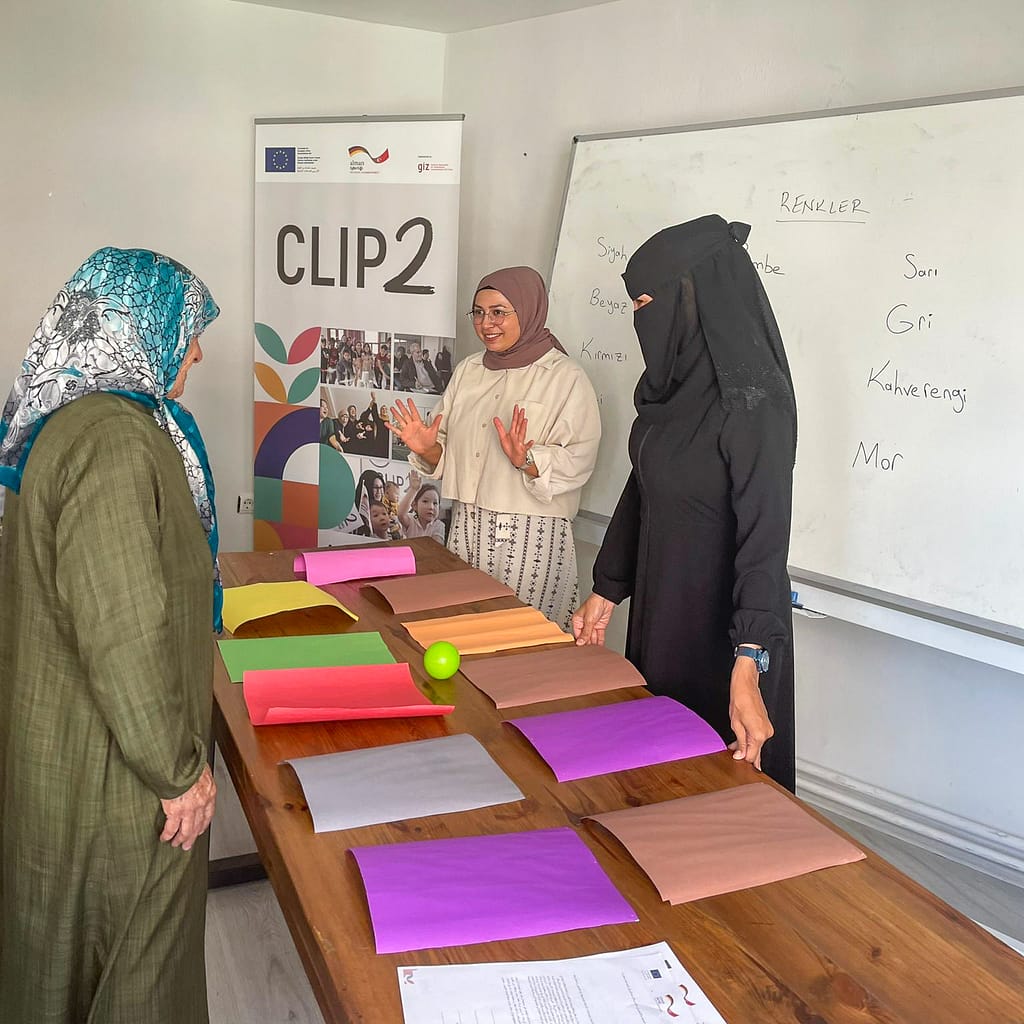
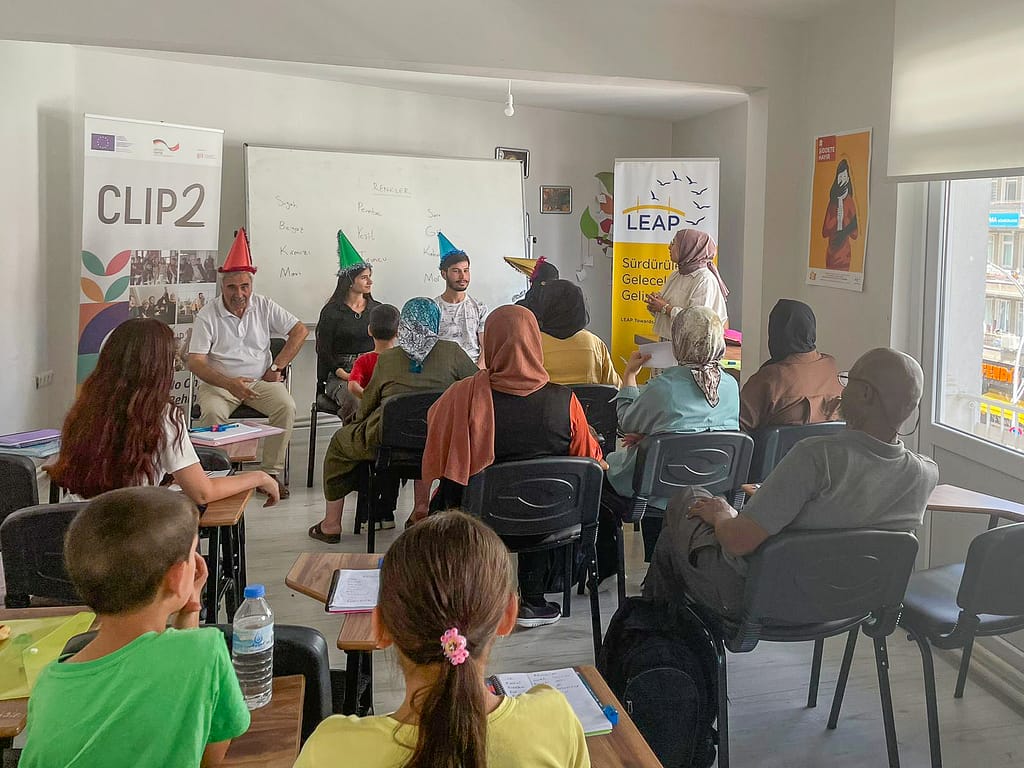
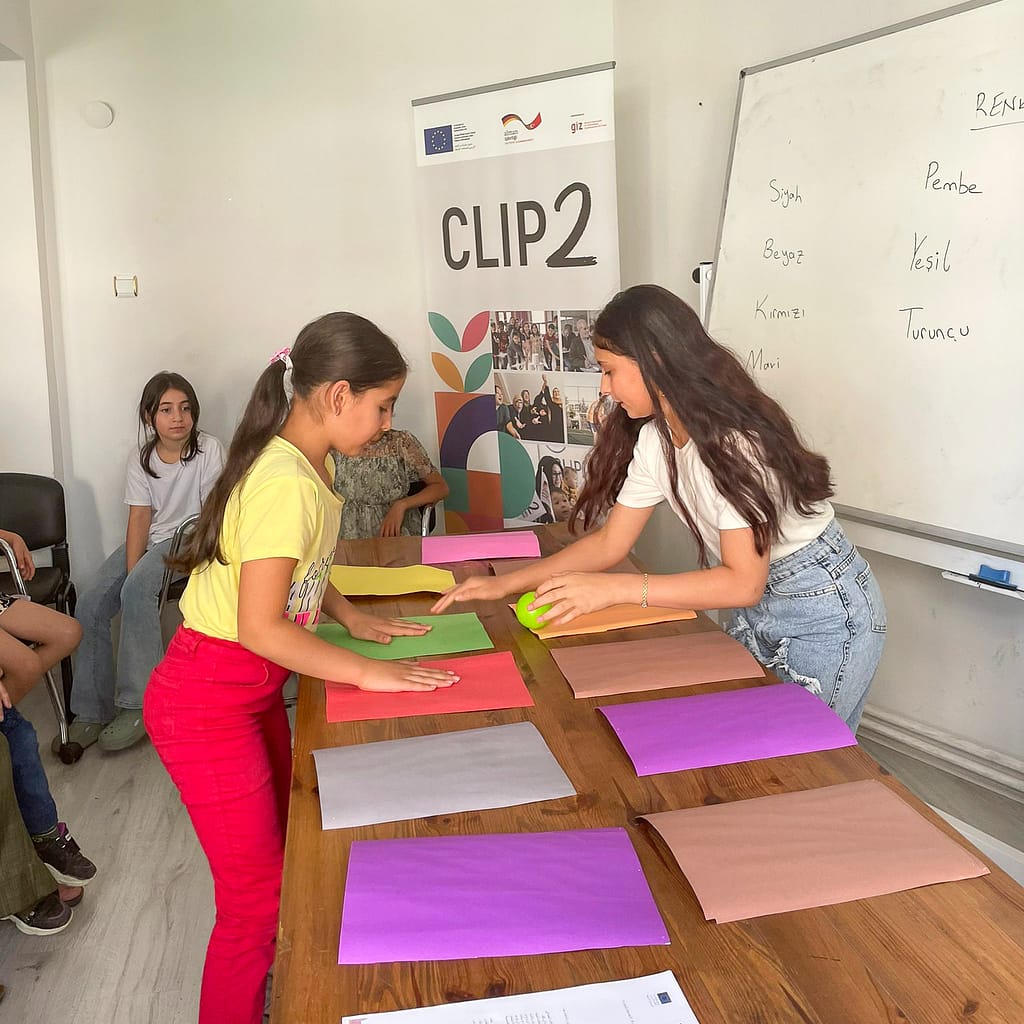
One of LEAP’s core initiatives is Turkish language courses, designed to support refugees to overcome language barriers and integrate into local society. In a recent class held in August, refugee participants from diverse backgrounds learned the names of colors through engaging games, fostering a fun and interactive learning environment.
Amigurumi Toy Workshop

LEAP hosted an Amigurumi Toy Workshop, bringing together refugee and local women and their children. During the workshop, participants learned the techniques of knitting Amigurumi toys, which are hand-made stuffed toys. The workshop aimed to teach participants new skills, promote creativity, and foster a sense of community. While the adults were busy knitting, their children enjoyed their time through colorful painting.
The workshop also highlighted the safety and healthiness of Amigurumi toys compared to traditional plastic or wooden options, making them ideal for children.
Shaping Friendship Through Ceramic Workshop
Another highlight of LEAP’s initiatives was a ceramic workshop. Participants from both communities had the chance to learn about traditional ceramic art and create unique ornaments together. The workshop provided a platform for cultural exchange and developed strong friendships among participants.
By working together on their ceramic creations, participants were able to share their cultures, learn from each other, and build friendships. This helped to break down stereotypes and promote understanding between different communities


This article is prepared in the scope of the “Community-based Local Initiatives Project (CLIP 2)”, co-funded by the European Union through its Humanitarian Aid Operations department (ECHO) and the German Federal Ministry for Economic Cooperation and Development (BMZ). Its content covers humanitarian aid activities implemented with the financial assistance of the European Union and should not be taken, in any way, to reflect the official opinion of the commissioning parties.