

Implemented in Mardin between December 2024 and February 2026, this project aimed to strengthen the socio-economic resilience and social cohesion of women from refugee and host communities and their families. Under the project, 25 women received comprehensive vocational and technical training in fruit and vegetable drying using solar-powered industrial drying systems, producing a total of 754 kg of dried products; by the end of the project, participating women’s average monthly income had risen by approximately 80% in real terms. The women were further supported with training in product design, marketing and business management, and integrated into production and sales processes within the LEAP Women’s Entrepreneurship, Production and Management Cooperative. In addition, 1,027 women took part in awareness-raising workshops on the prevention of gender-based violence and social cohesion, while 103 local farmers were trained in climate-adaptive and environmentally friendly agricultural practices.
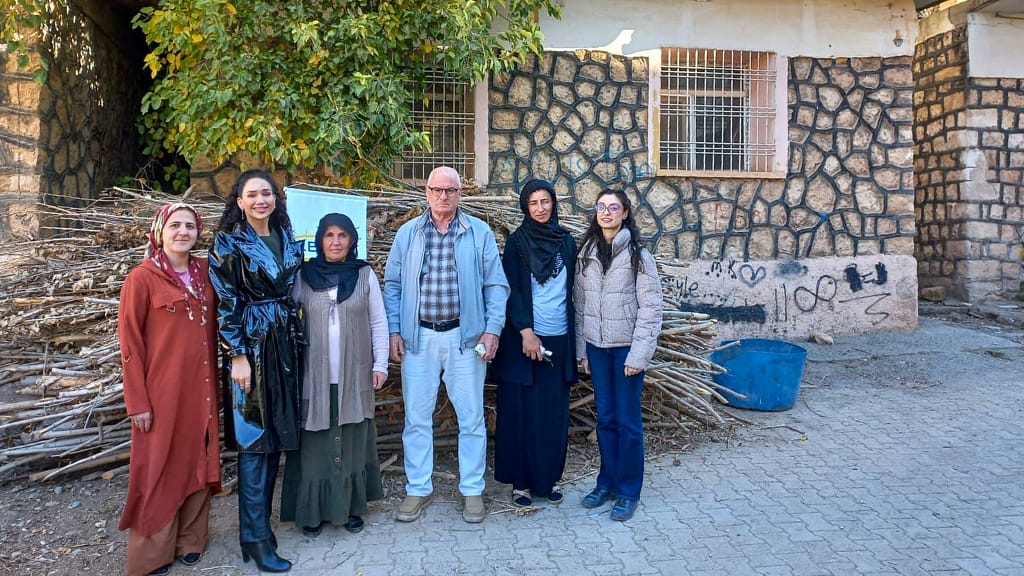
Environmental and Climate Awareness
From the outset, the project wove environmental sustainability into its livelihood and social cohesion objectives. Renewable energy sat at the heart of production: fruits and vegetables were processed primarily through solar drying systems and natural drying methods, with electric industrial dryers used only on cloudy days and during the winter months. In packaging, paper and glass were preferred over plastic wherever possible, and in line with the cooperative’s zero-waste approach, leftover materials were recycled. The smaller volume of dried products compared to fresh produce also reduced the environmental footprint of transportation.
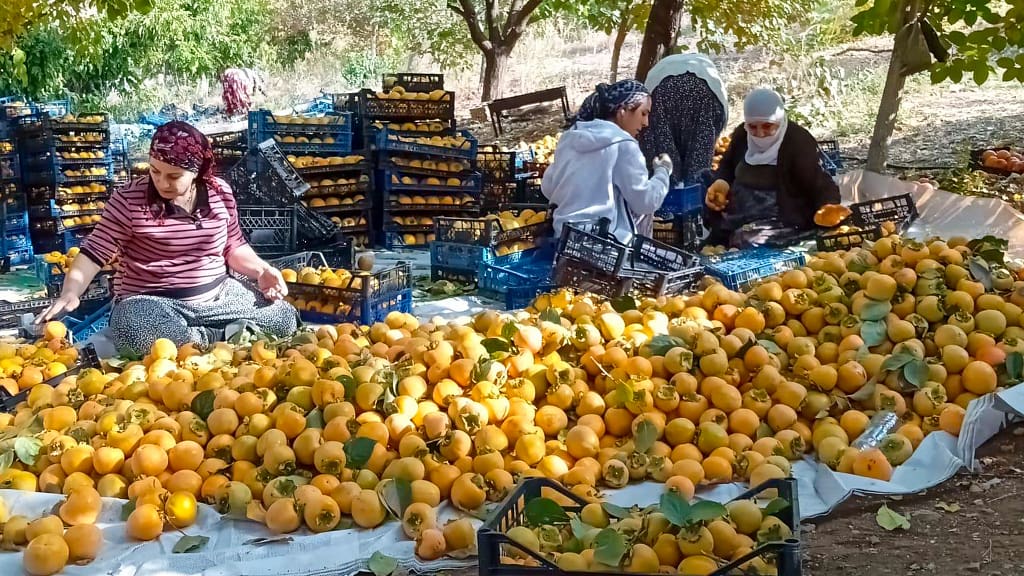
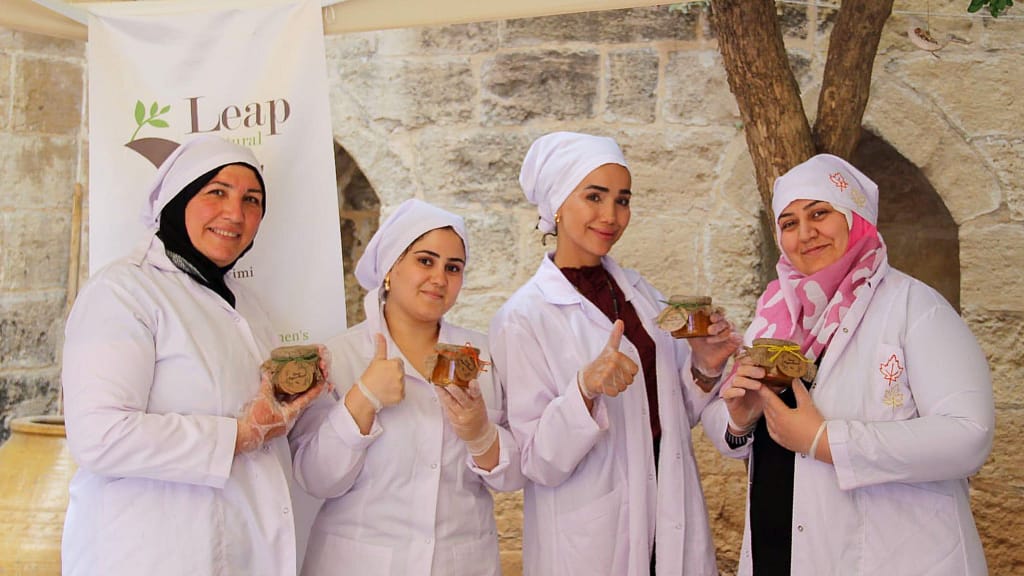
The strongest pillar of the project’s environmental component was its climate change awareness work with local farmers. A total of 103 farmers — 52 of them women — drawn from small-scale producers and family farms in the region, particularly in Mardin’s Savur and Mazıdağı districts, took part in workshops on climate change, efficient use of water and soil resources, natural fertilisers, natural pest control and climate-adaptive production methods. Pre- and post-training assessments showed a 31.6% increase in farmers’ knowledge levels, with the vast majority of participants able to identify and apply at least three climate-friendly farming techniques by the end of the training. In a region where chemical fertilisers and pesticides contribute to environmental pollution and productivity losses, this work laid the foundation for a lasting shift in behaviour towards the protection of natural resources.
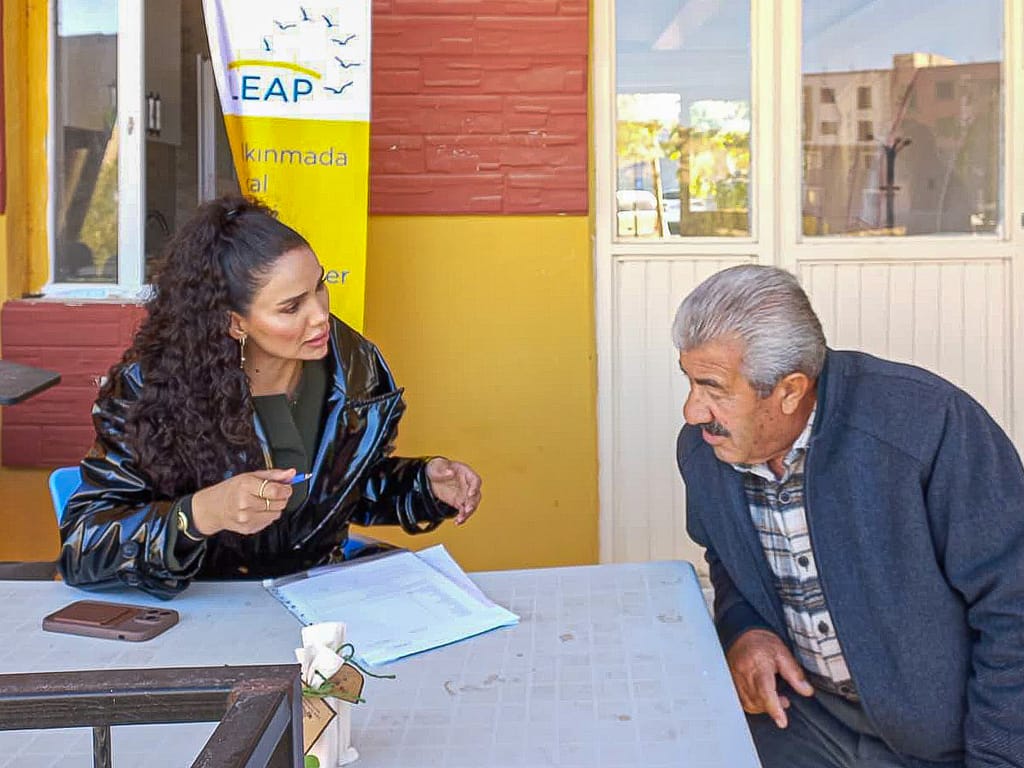
Awareness was also anchored in a concrete production relationship: supply agreements were signed with five of the trained farmers, and the fresh fruits and vegetables processed in the drying workshop were sourced directly from these local producers using climate-adaptive methods. In this way, the project translated environmental awareness into a sustainable local value chain stretching from field to packaging — supporting the income of small producers while demonstrating that environmentally friendly production also makes economic sense.
The project was implemented by RET Germany e.V. in cooperation with its local implementing partner, LEAP Türkiye. It was funded by the German Federal Ministry for Economic Cooperation and Development (BMZ) through Engagement Global / BENGO.