

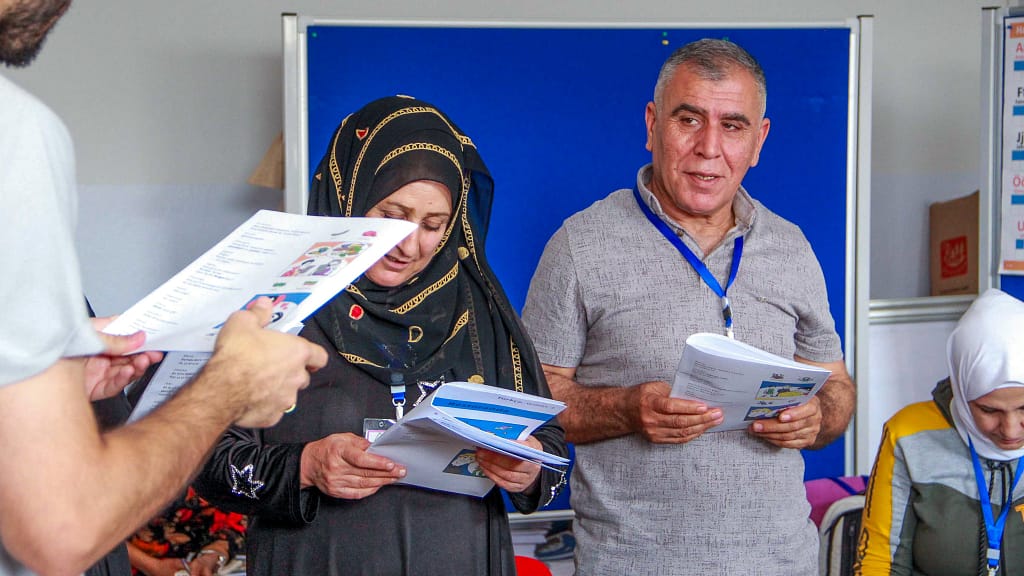
The “Turkish, English and Arabic Language Learning Programme as a Tool for Empowerment and Social Cohesion” Project is a comprehensive language learning initiative providing Turkish, English, and Arabic literacy training to refugees and host community members across four provinces in Türkiye. Implemented in Kilis, Samsun, Mardin, and Şanlıurfa, the project aims to break down language barriers and create meaningful spaces for interaction between refugee and host communities.
This is the third phase of the programme, building on the experiences and outcomes of two previous (1&2) phases.
Why This Project?
Türkiye hosts over 3 million refugees — more than any other country in the world. After fourteen years of displacement, language remains one of the most significant barriers to daily life, access to services, and employment for refugees.
Meanwhile, voluntary returns to Syria have begun following the end of a prolonged period of conflict in late 2024. However, Arabic literacy has become a significant challenge for the tens of thousands of Syrian children who were born and raised in Türkiye and received their education in Turkish; these children speak Arabic fluently but have not yet had the opportunity to develop their reading and writing skills. This situation calls for additional interventions to support their integration into the Syrian school system in the event of a return. The experience gained through the programme’s first two phases — which covered Turkish and English language learning — makes it clear that introducing Arabic literacy into this programme is both a necessary and a timely step.
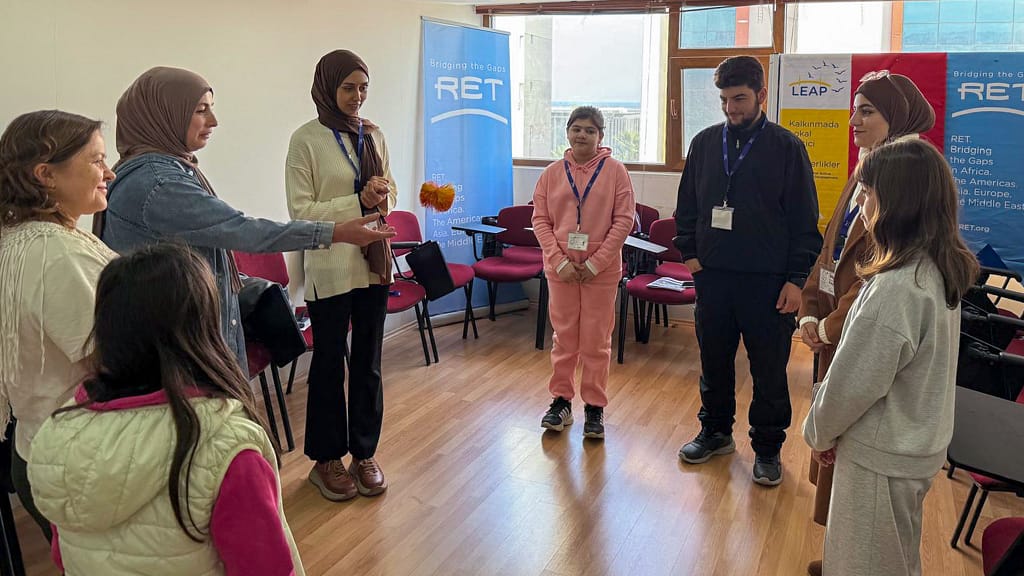
The Project and Its Goals
The project aims to equip adolescents, youth, and women from refugee and host communities with comprehensive language and literacy skills, enabling them to participate more actively and equally in public life. Its core objective is to use language learning as a vehicle for integration, to reduce social distance, and to rebuild trust between communities.
The project is structured around four components:
- Under the Turkish component, refugees will receive Turkish language courses, Turkish conversation clubs, and a foundational Turkish literacy module for those who cannot read or write in any language.
- Under the English component, refugee and host community members will attend English language courses and conversation clubs together, creating a neutral shared space for intercultural contact.
- The Arabic literacy component — the most distinctive addition in this third phase — targets Syrian children and youth born and raised in Türkiye who can speak Arabic but lack reading and writing skills. This module directly supports educational continuity and prepares families considering voluntary return to Syria.
- The project also includes an independent impact study and a high-level conference on language learning and social cohesion. In total, the project aims to reach 5,376 direct beneficiaries (60% women, aged 7–60) and 26,880 indirect beneficiaries across the four provinces.
The project is implemented by RET International and LEAP Türkiye from January 2026 to December 2028 across Kilis, Samsun, Mardin, and Şanlıurfa in Türkiye.